Understanding Exponential Moving Average (EMA): A Comprehensive Guide
What is Exponential Moving Average?
The Exponential Moving Average (EMA) is a widely utilized metric in financial analysis and trading. Unlike the simple moving average, which gives equal weight to all price points, the EMA places a greater emphasis on the most recent prices. This characteristic allows the EMA to react more swiftly to price changes, making it a critical tool for traders looking to identify trends and make informed decisions.
How Does EMA Work?
The calculation of the EMA involves using a smoothing constant, often denoted as alpha (α), which is based on the time period under consideration. The formula for calculating EMA is: EMA = (Current Price * α) + (Previous EMA * (1 - α)). The α value is typically derived from the number of periods (N) using the formula: α = 2 / (N + 1). This framework ensures that the most recent data has a larger impact on the EMA, making it responsive to new information.
Benefits of Using EMA in Trading
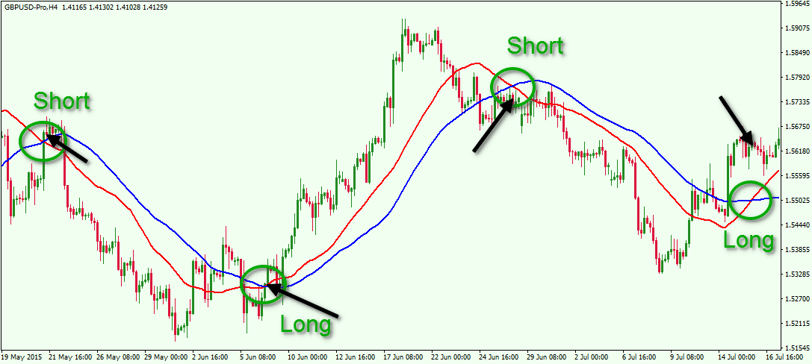
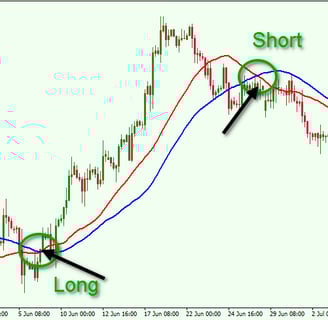
The EMA is favored by many traders for several reasons. Firstly, its responsiveness allows for quicker signal generation, essential in fast-moving markets. Additionally, the EMA helps smooth out price fluctuations, making trends easier to identify. Traders often use EMA crossovers as trading signals; for example, when the short-term EMA crosses above a long-term EMA, it may indicate a potential buy signal, whereas a crossover in the opposite direction could suggest a sell signal.
Incorporating the EMA into your trading strategy can enhance decision-making and timing. Whether you're a day trader or a long-term investor, understanding how to leverage the Exponential Moving Average can significantly impact your results.
Connect
Join us for financial insights and support.
Support
© 2025. All rights reserved.